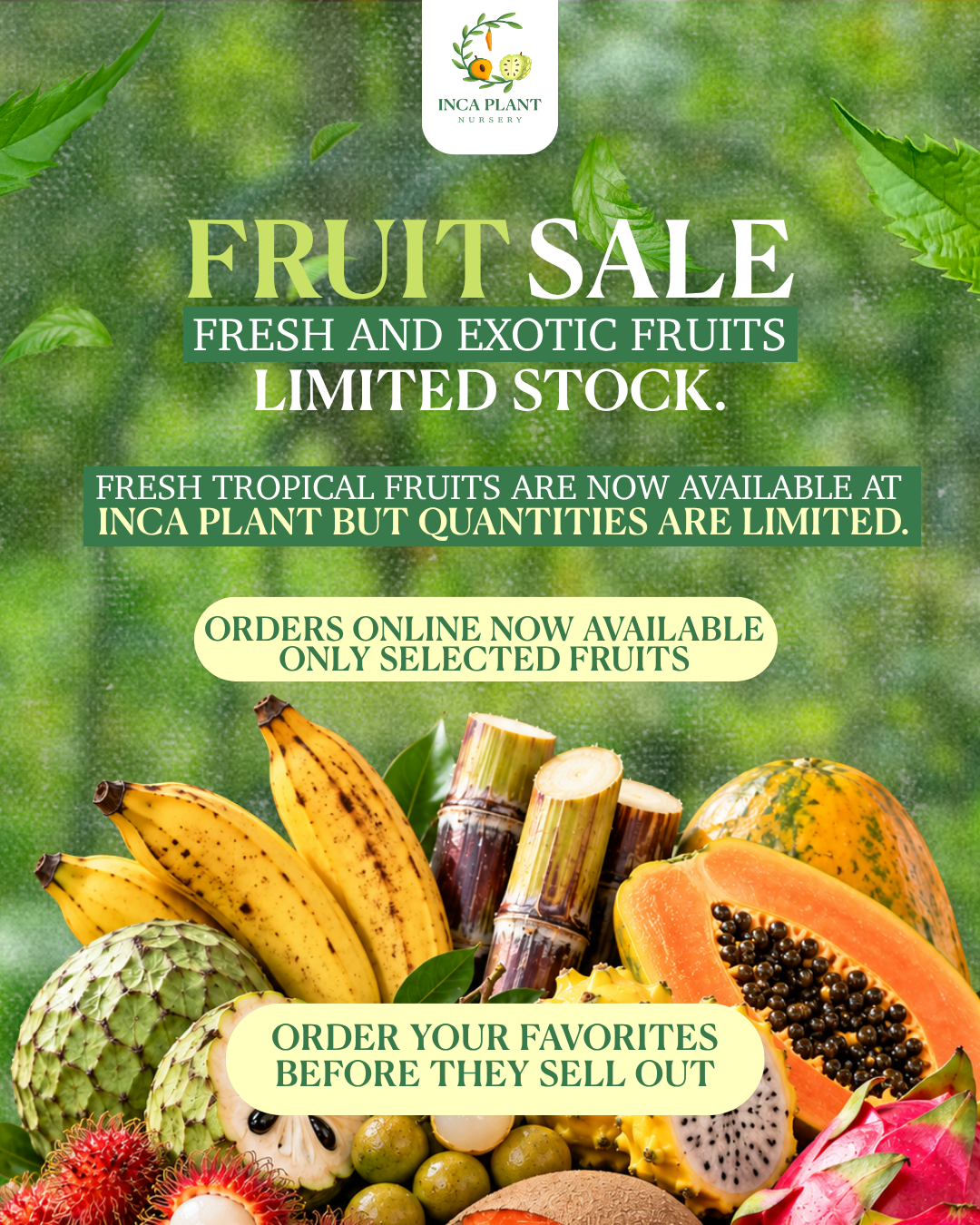
Your tropical fruit dream, made easy
Granadilla (Passiflora ligularis) is a delicious tropical vine known for its aromatic, sweet pulp and striking flowers. Though native to the Andes, it can thrive in Florida’s climate—especially in the southern parts—with the right care and setup. Here’s your complete guide to growing this exotic fruit right here in the Sunshine State.

Is Florida Good for Growing Granadilla?
Yes! Florida’s warm, humid climate—especially in USDA Zones 10a–11—makes it an excellent place to grow granadilla. It needs warmth, sunlight, and space to climb, and South Florida offers all three.
If you’re in Central Florida (Zone 9b), you can still grow granadilla with some frost protection during cooler months. In North Florida, try growing it in large containers so you can move it indoors in winter.
Where and When to Plant
Best Planting Time:
- South Florida: Anytime
- Central Florida: Spring (after last frost)
- North Florida: Spring in containers
Soil Needs:
- Light, well-drained soil enriched with compost
- pH: 6.0–6.5
- Avoid soggy or low-lying areas prone to flooding
Sunlight:
- Needs full sun (6+ hours/day)
- Choose a south-facing area or sunny trellis spot
Planting & Support
Granadilla is a fast-growing climber, so give it strong support: a trellis, fence, pergola, or arbor. Space plants 8–10 feet apart to give them room to spread.
Pro tip: You can even grow it along a chain-link fence or create a living privacy screen!
Watering Tips
Granadilla loves consistent moisture—but not standing water.
- In the dry season: Water deeply 1–2 times/week
- During Florida’s wet summers: Watch for root rot
- Use mulch to retain moisture and regulate soil temperature
Flowering, Pollination & Fruiting
Expect stunning white-and-purple flowers within 6–12 months of planting. Bees and butterflies help with pollination, but if fruit set is low, you can hand-pollinate using a soft brush.
Fruit ripening:
- Takes about 2–3 months after flowering
- Ripe when the skin turns orange-yellow and detaches easily
- Fruit is round to oval with a sweet, jelly-like pulp and edible seeds

Pruning & Training
Granadilla vines can get wild if you let them!
- Prune after fruiting or in late winter
- Remove weak or overcrowded vines
- Train main stems along supports to improve light and airflow
Fertilizing in Florida Soil
Florida’s sandy soils benefit from regular feeding:
- Use a balanced fertilizer (10-10-10) every 4–6 weeks
- Add extra potassium (e.g., banana peels or K-rich blends) during fruiting
- Organic compost or fish emulsion is a great boost
Pests & Problems to Watch
Common Florida issues include:
- Aphids, mealybugs, and fruit flies → Treat with neem oil or insecticidal soap
- Passion vine caterpillars → Handpick or use BT spray
- Fungal diseases and root rot → Prevent with good airflow and well-drained soil
Final Tips from Inca Plant Nursery
- In colder parts of Florida, grow granadilla in pots and overwinter indoors or under frost cloth
- Mulch around the base to retain moisture and suppress weeds
- Keep vines trained and trimmed for healthier fruit and less disease